Color mapping, Part 2
My road to how I taught myself color theory and how to mix paint.
So awhile back I started writing about my process of finding and mixing color, which I call “color mapping.” Now that I am teaching and find myself explaining my color mixing process almost on a daily basis to my students I thought I should start sharing it here as well.
First off as I mentioned in the Munsell posting, I basically taught myself color theory by reading several different books, each one teaching me something different. The most important thing that I learned right off the bat was that we as artists have to learn to work within the limitations of our materials. With that said the book by Michael Wilcox “Blue and Yellow Don’t Make Green” showed and explained to me the beginning of my understanding of color theory.
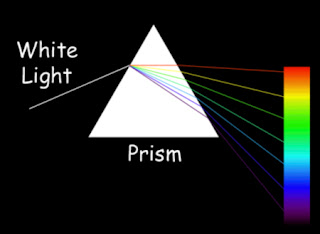
As you well maybe know the light that reaches earth is made up of several different electromagnetic wave lengths. The ones that we are interested in are those of visible light. Visible light can be separated using a prism showing us the different wavelengths that make up visible light. Each wave length vibrates a little bit differently and when separated you can see the colors of the rainbow and when you combine them back together they create white light this is also known as Additive color theory model.
That is important to know but since we don’t paint with light we will concentrate on the Subtractive color theory model. This deals with physical pigment and the inherent properties of tubed color which will help you to learn the limitations of your materials.
The subtractive color theory model states that as you mix your primary colors, red, yellow & blue, together in equal parts that they become darker and sometimes you can actually make your own black that is beautiful to use in your paintings. This type of thinking is what taught me to use the six color primary theory, I have two reds, two blues, and two yellows for my palette. Not every yellow and blue will get a really nice highly saturated green.
I’ll talk more about the subtractive color theory model, pigment particles and color biasis in the next color mapping posting.
Other posts of interest: